
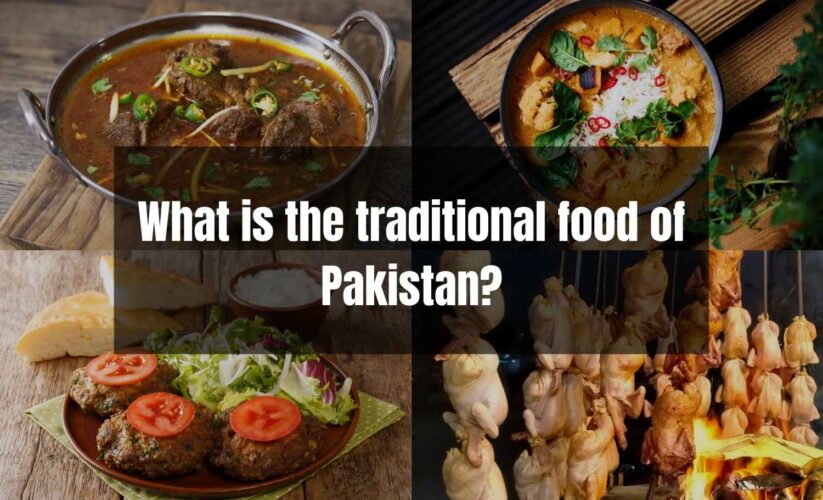
What is the traditional food of Pakistan?

The traditional food of Pakistan is a vibrant tapestry of flavors, reflecting the diverse cultural influences that have shaped the country. With a rich history that spans centuries, Pakistani food has evolved to incorporate elements from Persian, Mughal, and regional cuisines.
From the aromatic biryanis and succulent kebabs to the sweet and indulgent desserts, Pakistani food offers a tantalizing array of tastes and textures. The cuisine is characterized by its use of fresh, locally sourced ingredients, bold spices, and traditional cooking techniques. Whether you’re exploring the bustling food streets of Lahore or savoring a home-cooked meal in a remote village, Pakistani food is sure to leave a lasting impression. Some individuals want to cook and taste the traditional food of Pakistan at their homes. For these individuals, we at Chef Cooking Resort offer a list of the traditional Pakistani cuisine’s recipes.
1. The Culinary Heritage of Pakistan
Pakistan’s culinary landscape is deeply rooted in the history of the Indian subcontinent, influenced by centuries of cultural exchanges and invasions by various civilizations, including the Mughals, Persians, Arabs, and Central Asians. Each region of Pakistan boasts its own distinct flavors and dishes, shaped by its geography, climate, and the ethnic groups that inhabit the area.
The traditional food of Pakistan is often compared to that of North India due to their shared history and cultural ties. However, Pakistani food has its own unique identity, characterized by its bold use of spices, the emphasis on meat dishes, and the incorporation of various cooking techniques.
2. Regional Diversity in Pakistani Cuisine
Pakistan is divided into four provinces: Punjab, Sindh, Khyber Pakhtunkhwa, and Balochistan, each with its own culinary traditions. Additionally, the regions of Azad Jammu and Kashmir and Gilgit-Baltistan contribute to the country’s diverse food culture.
2.1 Punjab
Punjab is the heartland of Pakistan and is known for its hearty, flavorful, and rich cuisine. The region’s fertile land and abundant water supply have made it a hub for agriculture, and as a result, Punjabi cuisine is diverse and vibrant.
- Biryani
While biryani is popular throughout Pakistan, the Punjabi version is distinct, often made with a mix of meat (usually chicken or mutton), rice, yogurt, and a rich blend of spices. The dish is cooked in layers, allowing the flavors to meld together, creating a fragrant and flavorful meal.
- Saag
Saag is a traditional Punjabi dish made from mustard greens or spinach, cooked with spices and served with makki di roti (cornbread). It is a staple during the winter months and is known for its earthy flavor and rich texture.
- Nihari
Nihari is a slow-cooked stew of beef or mutton, cooked overnight with a blend of spices and served with naan bread. This dish is traditionally eaten as a breakfast meal, especially in Lahore, and is highly regarded for its deep, complex flavors.
2.2 Sindh
Sindh, located in the southeastern part of Pakistan, is known for its spicy and aromatic dishes. The region’s cuisine is heavily influenced by its proximity to the Arabian Sea and the deserts of Thar, resulting in a unique blend of flavors.
- Sindhi Biryani
Sindhi biryani is known for its spicy and tangy flavor, made with a mix of meat, basmati rice, yogurt, and a variety of spices, including red chili powder, turmeric, and garam masala. The dish is often garnished with fried onions, green chilies, and fresh coriander, adding to its vibrant taste.
- Sai Bhaji
Sai bhaji is a nutritious dish made from spinach, lentils, and a mix of vegetables like eggplant and potatoes, cooked with spices such as turmeric, cumin, and coriander. It is usually served with steamed rice or flatbread.
- Sindhi Fish Curry
Given Sindh’s coastal location, seafood plays an important role in its cuisine. Sindhi fish curry is a popular dish, made with fresh fish marinated in spices and cooked in a tomato-based gravy, served with steamed rice.
2.3 Khyber Pakhtunkhwa (KP)
Khyber Pakhtunkhwa, located in the northwestern part of Pakistan, is known for its simple, yet flavorful dishes that emphasize the use of meat, particularly lamb and mutton. The cuisine of this region is influenced by its proximity to Afghanistan and Central Asia.
- Chapli Kebab
Chapli kebab is a specialty of KP, made from ground meat (usually beef or lamb) mixed with spices, tomatoes, and onions, shaped into flat patties, and fried. The kebabs are known for their robust flavor and are often served with naan or rice.
- Peshawari Naan
Peshawari naan is a type of flatbread stuffed with a sweet mixture of nuts, raisins, and coconut. It is a popular accompaniment to meat dishes and is particularly associated with the city of Peshawar.
- Lamb Karahi
Lamb Karahi is a traditional dish made from lamb or mutton cooked in a wok-like pan (karahi) with tomatoes, green chilies, garlic, and a blend of spices. The dish is known for its rich and spicy flavor, often enjoyed with naan or rice.
2.4 Balochistan
Balochistan, the largest province in Pakistan, is known for its rugged terrain and nomadic lifestyle, which is reflected in its cuisine. The food of Balochistan is simple and hearty, often centered around meat, particularly lamb and goat.
- Sajji
Sajji is a traditional Balochi dish made from whole lamb or chicken marinated in salt, stuffed with rice, and roasted over an open fire. The meat is cooked slowly, allowing the flavors to develop, resulting in tender and flavorful meat that is usually served with naan or rice.
- Kaak
Kaak is a traditional Balochi bread made from wheat flour, baked on a hot stone or metal surface. It is often served with meat dishes like sajji or lamb stew.
- Landhi
Landhi is a winter specialty of Balochistan, made from dried, salted lamb or goat meat. The meat is preserved by drying it in the sun and is then cooked with spices to create a flavorful and hearty dish.
3. Iconic Dishes of Pakistan
While each region of Pakistan has its own unique culinary traditions, there are certain dishes that are beloved throughout the country and have become symbols of Pakistani cuisine.
3.1 Biryani
Biryani is perhaps the most iconic dish of Pakistan, enjoyed in every corner of the country. This aromatic rice dish is made with basmati rice, meat (usually chicken, mutton, or beef), and a blend of spices such as cumin, cardamom, and cloves. Biryani is often garnished with fried onions, boiled eggs, and fresh coriander, adding to its rich flavor and visual appeal.
3.2 Karahi
Karahi is a popular dish made with chicken or mutton cooked in a wok-like pan with tomatoes, green chilies, garlic, and a blend of spices. The dish is known for its rich and spicy flavor and is often served with naan bread. Karahi is a favorite at family gatherings and special occasions.
3.3 Haleem
Haleem is a slow-cooked stew made from a mixture of wheat, barley, lentils, and meat (usually beef or mutton), cooked with spices and garnished with fried onions, lemon wedges, and fresh coriander. This dish is particularly popular during the holy month of Ramadan, as it is hearty and nutritious, providing sustenance during fasting hours.
3.4 Nihari
Nihari is a slow-cooked stew made from beef or mutton, cooked with a blend of spices, and served with naan bread. This dish is traditionally eaten as a breakfast meal, particularly in Lahore, and is known for its deep, complex flavors.
3.5 Seekh Kebab
Seekh kebab is a popular dish made from minced meat (usually beef or lamb) mixed with spices and shaped onto skewers, then grilled over an open flame. The kebabs are known for their juicy texture and rich flavor, often served with naan bread and mint chutney.
4. Cultural Significance of Food in Pakistan
In Pakistan, food is more than just sustenance; it is a reflection of the country’s rich cultural heritage and plays a central role in social and family life. Meals are often a communal affair, with families gathering around a table to share food and conversation. Hospitality is a core value in Pakistani culture, and guests are often treated to elaborate meals as a sign of respect and generosity.
Religious festivals and celebrations are also marked by special dishes and feasts. For example, during Eid al-Fitr, which marks the end of Ramadan, families prepare elaborate meals, including dishes like biryani, kebabs, and sweet treats like sheer khurma (a dessert made from vermicelli, milk, and dates).
Similarly, during weddings and other special occasions, food plays a central role, with multiple courses and a wide variety of dishes served to guests. The preparation and sharing of food are seen as a way to strengthen social bonds and express love and care for one another.
Conclusion
The traditional food of Pakistan is a reflection of the country’s rich cultural heritage, diverse regional influences, and the deep connection between food and community. From the spicy and aromatic dishes of Sindh to the hearty and flavorful cuisine of Punjab, each region of Pakistan offers its own unique culinary experience. Whether it’s the iconic biryani, the slow-cooked nihari, or the tender sajji, Pakistani cuisine is a celebration of bold flavors, fresh ingredients, and time-honored cooking techniques. For anyone looking to explore the culinary delights of South Asia, the traditional food of Pakistan offers a rich and rewarding journey into the heart of the country’s culture and traditions.
Moreover, visit Chef Cooking Resort Blogs if you want to know additional information about various food varieties.


