Exploring the Regional Variations of Middle Eastern Cuisine

The Middle East, a cradle of civilization, is a region brimming with diverse cultures, rich histories, and, of course, incredibly flavorful cuisine. While certain dishes like hummus and falafel are recognized globally, the culinary landscape of the Middle East is far from monolithic. Each country and region boasts unique specialties, influenced by local ingredients, geography, and historical interactions. This article embarks on a journey through the region, exploring the fascinating variations that make Middle Eastern food so captivating. However, for South Asian food lovers, Chef Cooking Resort is offering a variety of recipes and flavors.
A Culinary Tapestry: Understanding the Influences
Before diving into regional specifics, it’s crucial to understand the broader influences shaping Middle Eastern cuisine. The region’s location at the crossroads of Europe, Asia, and Africa has resulted in a fascinating fusion of culinary traditions. The legacy of the Ottoman Empire, the spice trade routes, and the influence of nomadic Bedouin tribes have all left their mark. Common threads include the use of aromatic spices like cumin, coriander, and cardamom, the emphasis on fresh herbs like parsley and mint, and the importance of ingredients like olive oil, chickpeas, and dates.
Levantine Flavors: A Celebration of Freshness
The Levant, encompassing countries like Lebanon, Syria, Palestine, and Jordan, is renowned for its emphasis on fresh ingredients and vibrant flavors.
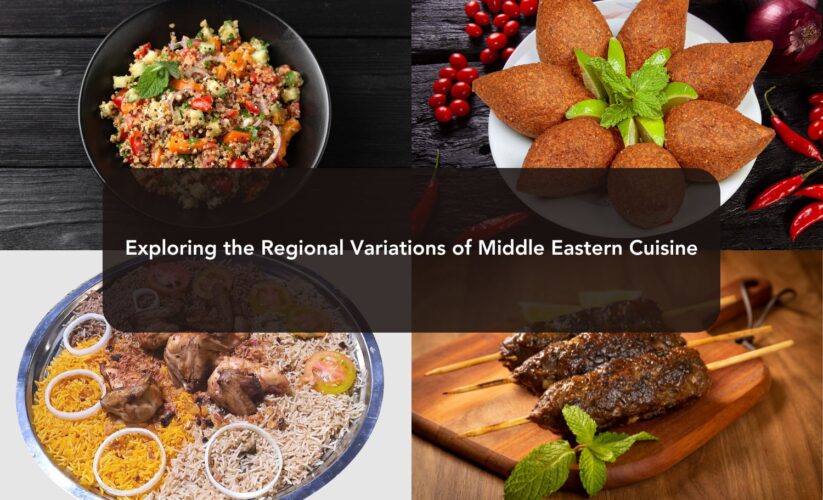
- Lebanon: Lebanese cuisine is often considered the most refined of the Levantine cuisines. Mezze, a selection of small dishes served as appetizers, is a cornerstone of Lebanese dining. Think hummus, baba ghanoush (smoked eggplant dip), tabbouleh (parsley salad), and kibbeh (meatballs or patties). Grilled meats, seafood, and a variety of vegetarian dishes are also prominent.
- Syria: Syrian cuisine is the most common type of Asian Cuisine. It shares many similarities with Lebanese cuisine but also has its own distinct characteristics. Dishes like kibbeh nayyeh (raw kibbeh), yabra (stuffed grape leaves), and shawarma (thinly sliced meat cooked on a vertical rotisserie) are popular. Aleppo, a historic city in Syria, is particularly known for its unique spice blends and culinary traditions.
- Palestine: Palestinian cuisine reflects the region’s history and agricultural heritage. Dishes like maqloubeh (an upside-down rice and vegetable dish), musakhan (roasted chicken with sumac and onions), and falafel (deep-fried chickpea balls) are staples.
- Jordan: Jordanian cuisine blends Bedouin traditions with influences from neighboring regions. Mansaf, a dish of lamb cooked in a fermented yogurt sauce and served with rice, is considered the national dish.
Egyptian Delights: Ancient Flavors
Egyptian cuisine, with its roots in ancient civilization, is a fascinating blend of tradition and innovation.
- Ful Medames: This dish of stewed fava beans is a staple of Egyptian cuisine and a popular breakfast food.
- Koshari: A vegetarian dish consisting of rice, lentils, macaroni, and tomato sauce, topped with crispy fried onions and a spicy vinegar sauce, Koshari is a popular street food.
- Molokhia: A leafy green vegetable stew, Molokhia is a uniquely Egyptian dish.
- Feteer Meshaltet: A flaky pastry filled with various ingredients, Feteer Meshaltet is a popular street food and breakfast item.
Gulf Cuisine: Aromatic Spices and Luxurious Ingredients
The cuisine of the Gulf countries, including Saudi Arabia, the United Arab Emirates, Qatar, Kuwait, Oman, and Bahrain, is characterized by its use of aromatic spices, luxurious ingredients, and generous portions.
- Machboos/Kabsa: A mixed rice dish with meat (usually chicken or lamb) and spices, Machboos (in Kuwait) or Kabsa (elsewhere in the Gulf) is a popular dish.
- Gahwa: Arabic coffee, Gahwa, is a traditional beverage served in small cups and often flavored with cardamom.
- Luqaimat: These small, crispy dumplings soaked in syrup are a popular dessert, especially during Ramadan.
North African Flavors: A Medley of Influences
While geographically part of North Africa, the culinary influences of this region, particularly Morocco, Algeria, and Tunisia, often overlap with the broader Middle Eastern culinary landscape.
- Morocco: Moroccan cuisine is known for its tagines (slow-cooked stews), couscous (steamed semolina), and pastilla (a savory-sweet pie). The use of spices like saffron, ginger, and cinnamon is prominent.
- Algeria: Algerian cuisine reflects Berber, Arab, and French influences. Couscous, tagines, and various types of bread are staples.
- Tunisia: Tunisian cuisine is known for its use of harissa (a hot chili paste), seafood, and Mediterranean flavors.
The Sweet Side of the Middle East:
No exploration of Middle Eastern cuisine is complete without mentioning its delectable desserts. Baklava (a flaky pastry filled with nuts and syrup) and kanafeh (a cheese pastry soaked in syrup). Ma’amoul (date-filled cookies) are just a few examples of the sweet treats enjoyed throughout the region.
Modern Trends and Fusion Cuisine:
Like any vibrant culinary scene, Middle Eastern cuisine is constantly evolving. Modern chefs are experimenting with fusion flavors, incorporating international influences while staying true to the region’s culinary heritage. The rise of food blogs and cooking shows has also contributed to the growing popularity of Middle Eastern food globally.
Read Also: Top Middle Eastern Desserts You Need to Try
A Culinary Journey Awaits:
Exploring the regional variations of Middle Eastern cuisine is a fascinating journey for the senses. From the fragrant spices of the Gulf to the fresh flavors of the Levant and the unique dishes of North Africa, each region offers a distinct culinary experience. Whether you’re a seasoned foodie or simply curious about new flavors, the diverse culinary landscape of the Middle East is sure to tantalize your taste buds and leave you wanting more. So, embark on this culinary adventure and discover the rich tapestry of flavors that make Middle Eastern food so special.