
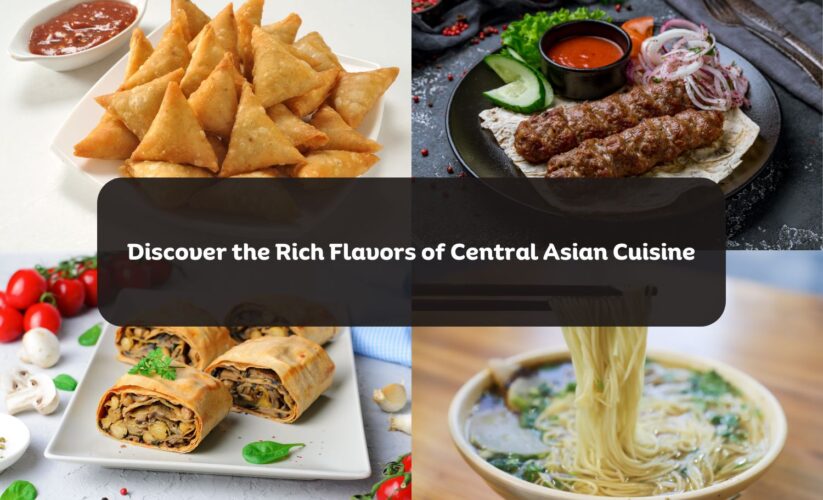
Discover the Rich Flavors of Central Asian Cuisine

Central Asia, often called the crossroads of the world, boasts a vibrant culinary heritage shaped by its diverse cultures, Silk Road history, and unique geography. The region includes countries such as Kazakhstan, Uzbekistan, Kyrgyzstan, Turkmenistan, and Tajikistan, with their distinct yet interconnected culinary traditions. Central Asian cuisine is a treasure trove of flavors, offering hearty, flavorful, and aromatic dishes that reflect the nomadic lifestyles, agricultural abundance, and cultural exchanges of the region. However, if you wish to taste South Asian dishes with ease, we at Chef Cooking Resort offer an array of flavors that have a rich aroma and taste.
In this article, we’ll explore the rich flavors of Central Asian cuisine, dive into its most iconic dishes, and examine the cultural and historical influences that make it so unique.
A Historical Journey of Central Asian Cuisine
Central Asia’s cuisine is deeply rooted in the history of the Silk Road, the ancient trade network connecting the East and West. Traders and travelers passing through Central Asia brought with them exotic spices, grains, and cooking techniques, leaving an indelible mark on the region’s food culture.
Nomadic Influences: The nomadic lifestyle shaped dishes that are easy to prepare and preserve, like dried meats, dairy-based foods, and flatbreads.
Silk Road Fusion: Central Asia became a melting pot where Persian, Chinese, Russian, and Middle Eastern flavors intertwined. Spices like cumin and coriander, as well as ingredients like rice, noodles, and nuts, became staples.
Today, Central Asian cuisine celebrates this fusion of flavors, offering a unique blend of rustic simplicity and sophisticated spice.
Key Ingredients and Techniques in Central Asian Cooking
Central Asian cuisine is famous for its hearty and wholesome ingredients. Here are some staples that define the region’s culinary identity:
Meat: Lamb and mutton are central to most dishes, while beef and horse meat are also popular in certain areas.
Dairy: Fermented dairy products like kurt (dried yogurt balls) and kumis (fermented mare’s milk) reflect the nomadic heritage.
Grains: Wheat, barley, and rice are the foundation for breads, noodles, and rice-based dishes.
Spices and Herbs: Cumin, coriander, and dill add aromatic depth, while garlic and onions form the base of many recipes.
Vegetables: Root vegetables like carrots and potatoes, along with tomatoes and peppers, bring vibrancy and balance to hearty meals.
Iconic Central Asian Dishes You Must Try
1. Plov (Pilaf)
Plov is the quintessential Central Asian dish, especially beloved in Uzbekistan. This hearty rice dish is cooked with lamb or beef, onions, carrots, and a blend of spices, often garnished with raisins or chickpeas.
Why you should love it: Plov is a communal dish often served during celebrations and family gatherings. Its aromatic flavors and tender meat make it irresistible.
Variations: Each country has its own twist on plov, such as adding dried apricots or eggs in certain regions.
2. Lagman
Lagman is a flavorful noodle soup with hand-pulled noodles, tender chunks of meat, and a medley of vegetables like peppers and tomatoes, all in a rich, spiced broth.
Why you should love it: It’s a comforting and filling dish, showcasing the skill of noodle-making—a treasured art in Central Asian kitchens.
Variations: Locals also serve Lagman dry, stir-fried with vegetables for a different texture.
3. Samsa (Samosa)
Samsa is a savory pastry filled with minced meat, onions, and sometimes pumpkin or potatoes, baked in a clay oven for a crispy, golden crust.
Why you should love it: These flaky parcels are perfect as a snack or appetizer, with a delightful contrast of crunchy exterior and juicy filling.
Best Pairing: Enjoy samsa with a side of kefir (fermented milk) or hot tea.
4. Shashlik (Kebabs)
Shashlik, or skewered meat kebabs, is a staple across Central Asia, marinated with spices and grilled over an open flame.
Why you should love it: Its smoky, charred flavors are a testament to the region’s mastery of grilling techniques.
Serving Style: Typically served with fresh onions, flatbread, and a side of tomato-based sauce.
5. Manty
Manty are steamed dumplings filled with spiced meat and onions, often served with sour cream or a tangy tomato sauce.
Why you should love it: These soft, juicy parcels burst with flavor, offering a satisfying bite every time.
Regional Variations: Some versions include pumpkin or herbs in the filling for added complexity.
6. Beshbarmak
Known as “five fingers,” beshbarmak is the national dish of Kazakhstan and Kyrgyzstan. It consists of boiled meat (usually horse or lamb) served over flat noodles, with a rich onion broth poured on top.
Why you should love it: It’s a dish steeped in tradition, symbolizing hospitality and community.
Cultural Significance: Traditionally eaten by hand, reflecting nomadic customs.
7. Kurt
Kurt is a unique snack made from dried, salted yogurt balls. It’s a high-protein, portable food ideal for nomadic lifestyles.
Why you should love it: Its tangy, salty flavor makes it a perfect companion for tea or a midday snack.
8. Lepeshka (Flatbread)
Lepeshka is a round, chewy flatbread baked in a tandoor oven, often stamped with intricate designs.
Why you should love it: Bread is a sacred staple in Central Asia, and lepeshka’s simple yet hearty flavor complements any meal.
Serving Tip: Best enjoyed fresh out of the oven, paired with soups or stews.
Beverages That Complement Central Asian Meals
No discussion of Central Asian cuisine is complete without its beverages.
Kumis: A traditional drink made from fermented mare’s milk, offering a tangy and slightly alcoholic flavor.
Green Tea: The most common beverage, served at every meal as a symbol of hospitality.
Ayran: A refreshing yogurt-based drink, perfect for balancing rich, spicy dishes.
The Cultural Significance of Central Asian Food
Central Asian cuisine goes beyond flavor—it’s an integral part of the region’s identity and social customs.
Hospitality: Food is central to hospitality in Central Asia. Guests are always welcomed with tea and an assortment of breads and sweets.
Festivals: Dishes like plov and beshbarmak play starring roles in celebrations, from weddings to religious holidays.
Rituals: Meals are often communal, emphasizing the importance of family and unity.
Central Asian Cuisine Goes Global
In recent years, Central Asian food has started gaining international recognition, with restaurants and food festivals introducing the world to its rich flavors.
Fusion Cuisine: Chefs are blending Central Asian flavors with Western techniques, creating dishes like lamb plov risotto and samsa-inspired pastries.
Street Food Appeal: The portability and simplicity of dishes like lagman and shashlik make them ideal for food trucks and street markets.
Read Also: How Asian Cuisine is Influencing Global Food Trends
Conclusion
Central Asian cuisine is a culinary adventure that combines rich flavors, hearty ingredients, and deep cultural traditions. Whether it’s the communal experience of sharing a platter of plov or the intricate artistry of hand-pulled noodles in lagman, every dish tells a story of heritage and hospitality. If you’re looking to explore a cuisine that’s as soulful as it is delicious, Central Asian food promises an unforgettable journey. From the smoky aroma of shashlik to the creamy comfort of kheer-like desserts, it’s time to savor the rich flavors of this fascinating region!