Exploring the Regional Variations of Pakistani Sweets

Pakistan, a land of vibrant culture and rich history, boasts a diverse culinary landscape, particularly when it comes to its delectable sweets. Each region has its own unique specialties, reflecting local ingredients, traditions, and historical influences. Furthermore, experience the true taste of Pakistani regional sweets at Chef Cooking Resort. This article delves into the fascinating world of Pakistani desserts, exploring the regional variations that make this sweet journey so captivating.
A Sweet Symphony of Flavors: An Introduction
Pakistani sweets, or “mithai,” are an integral part of celebrations, festivals, and everyday life. From the melt-in-your-mouth Gulab Jamun to the crispy Jalebi, these treats are a testament to the country’s culinary artistry. While some sweets are enjoyed nationwide, many are unique to specific regions, offering a glimpse into the local culture and traditions.
Punjab: The Land of Milk and Honey (and Sugar!)
Punjab, known as the “land of five rivers,” is also a land of rich, milky sweets. Dairy plays a crucial role in Punjabi cuisine, and this is reflected in their desserts.
- Gulab Jamun: These soft, golden-brown milk balls soaked in a fragrant sugar syrup are a Punjabi staple and a national favorite. Pakistanis often serve these sweets warm and they are irresistible.
- Jalebi: This bright orange, pretzel-shaped sweet is deep-fried and then soaked in a sugar syrup. Its crispy texture and syrupy sweetness make it a popular treat.
- Barfi: Punjab offers a wide variety of Barfi, a dense, milk-based sweet. From the simple Khoya Barfi to the more elaborate Pista Barfi (pistachio) and Besan Barfi (gram flour), the variations are endless.
- Ladoo: These spherical sweets made from gram flour, sugar, and ghee are a common sight at celebrations. They come in various sizes and flavors.
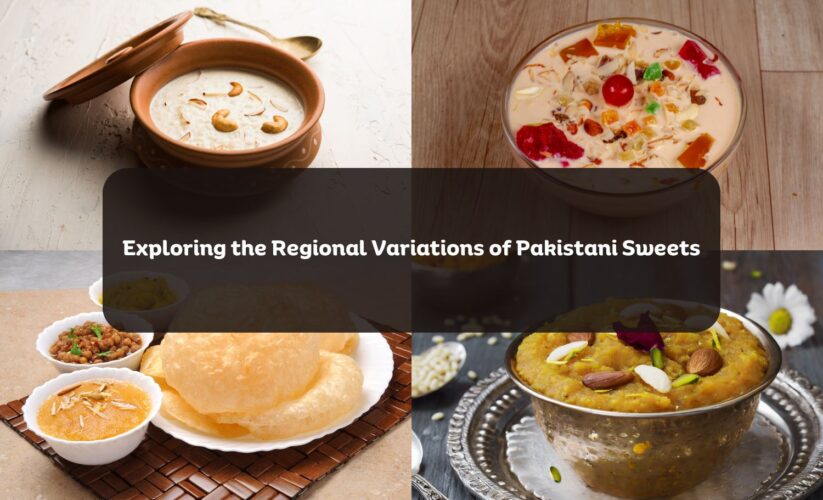
- Kheer: This creamy rice pudding flavored with cardamom and pistachios is a comforting and classic Punjabi dessert.
Sindh: A Fusion of Flavors
Sindh, with its coastal influence and historical connections to other cultures, has a unique blend of sweet offerings.
- Falooda: This layered dessert drink is a Sindhi specialty. It combines vermicelli noodles, rose syrup, basil seeds, and often ice cream, creating a refreshing treat.
- Sooji Halwa: A semolina-based sweet cooked with ghee and sugar, Sooji Halwa is a common dessert in Sindh. It’s often flavored with cardamom and garnished with nuts.
- Thoom: Locals make this sweet dish, unique to Sindh, with rice flour, sugar, and ghee. It has a slightly chewy texture and a unique flavor.
Khyber Pakhtunkhwa (KPK): The Mountainous Sweet Treats
KPK’s cuisine is famous for its hearty flavors, and their sweets are no exception.
- Halwa Puri: Locals enjoy this breakfast combination as a dessert. Halwa is a semolina-based sweet, and Puri is a deep-fried flatbread. Together, they create a satisfying and flavorful treat.
- Gosh: Similar to Gulab Jamun, Gosh is a milk-based sweet soaked in syrup. However, it’s often denser and less porous than Gulab Jamun.
Balochistan: Simplicity and Natural Flavors
Balochistan’s cuisine often emphasizes natural ingredients and simple preparations, and their desserts reflect this philosophy.
- Dates: Balochistan is famous for its high-quality dates, which are often enjoyed as a sweet treat on their own.
- Khajoor Halwa: This date-based halwa is a specialty of Balochistan, showcasing the region’s abundant date harvest.
Nationwide Favorites: Sweets enjoyed across Pakistan
While each region has its specialties, some sweets have transcended regional boundaries and are enjoyed all over Pakistan.
- Gulab Jamun: As mentioned earlier, this is a national favorite.
- Jalebi: Another widely popular sweet found in every nook and corner of Pakistan.
- Kheer: This rice pudding is a comfort food enjoyed across the country.
- Sohan Halwa: This flaky, layered sweet made with flour, sugar, and ghee is a popular choice for special occasions.
The Art of Mithai Making: A Cultural Heritage
The art of mithai making is a cherished tradition in Pakistan. Many families have their own secret recipes passed down through generations. Mithai shops are a common sight in Pakistani cities and towns, and these shops are often family-run businesses that have been operating for decades. The sweet aroma wafting from these shops is irresistible, attracting customers from all walks of life.
Modern Twists and Fusion Flavors:
While traditional sweets continue to be popular, Pakistani mithai makers are also experimenting with modern twists and fusion flavors. You can now find Gulab Jamun with pistachio filling, Jalebi with chocolate drizzle, and other creative variations. This innovation ensures that Pakistani sweets continue to evolve and appeal to new generations.
A Sweet Conclusion:
The regional variations of Pakistani sweets offer a fascinating glimpse into the country’s diverse culinary heritage. From the creamy delights of Punjab to the unique flavors of Sindh and the simple treats of Balochistan, each region brings its own special touch to the art of mithai making. Whether you have a sweet tooth or simply appreciate culinary traditions, exploring the regional variations of Pakistani sweets is a delightful journey for the senses. So, embark on this sweet adventure and discover the diverse flavors that make Pakistani sweets so special. Moreover, celebrate the rich culinary heritage of Pakistan at Chef Cooking Resort Blogs.